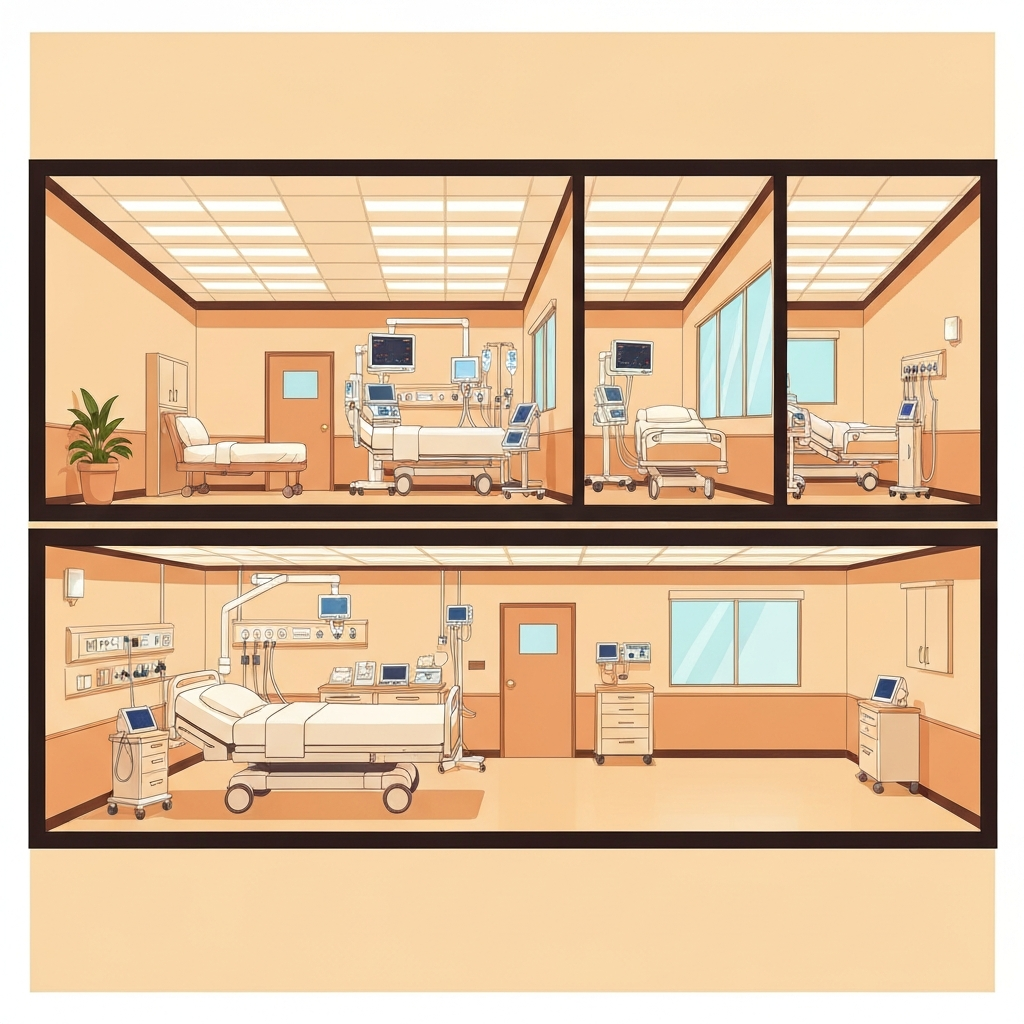
In 2026, the landscape of emergency medical services is more critical than ever. Trauma care, a specialized field dedicated to the immediate treatment of life-threatening injuries, demands a high degree of expertise, advanced technology, and coordinated response. Parker Adventist Hospital, a prominent healthcare institution, plays a vital role in this network. Understanding the specific level of trauma specialty offered by Parker Adventist Hospital is crucial for patients, referring physicians, and emergency responders seeking the highest standard of care for critical injuries. This article delves into the trauma services provided by Parker Adventist Hospital, clarifying its capabilities and the standards it upholds.
What is Trauma Care?

Trauma care encompasses the immediate medical and surgical management of patients with severe physical injuries. These injuries often result from accidents, violence, or falls. The primary goal of trauma care is to stabilize the patient, prevent further harm, and initiate the process of recovery. This specialized field requires a multidisciplinary team, including emergency physicians, surgeons (general, orthopedic, neurosurgical, etc.), anesthesiologists, nurses, and rehabilitation specialists, all working in concert.
How are Trauma Centers Graded?
Trauma centers are graded by national and regional organizations, most notably the American College of Surgeons (ACS), to ensure a consistent standard of care. These designations, often referred to as “levels,” indicate the range of patient severity a trauma center is equipped to handle. The levels typically range from Level I (the most comprehensive) to Level IV or V (basic trauma care and stabilization).
- Level I Trauma Centers: Offer the highest level of comprehensive trauma care. They provide 24/7 immediate availability of neurosurgery and orthopedic surgery, a full spectrum of surgical subspecialists, and extensive trauma research and education programs. They are often academic medical centers.
- Level II Trauma Centers: Provide 24/7 emergency care for the most severe injuries. They must have general surgeons and anesthesiologists immediately available. While they offer a broad range of services, they may not have the same depth of subspecialty coverage or research requirements as Level I centers.
- Level III Trauma Centers: Stabilize patients with serious injuries and can manage most surgical conditions. They may not have general surgeons or orthopedic surgeons immediately available but can provide prompt general surgery and orthopedic consultation.
- Level IV and V Trauma Centers: Focus on the initial assessment, resuscitation, and stabilization of injured patients and their subsequent transfer to a higher-level trauma center if necessary.
These levels are crucial because they guide the “golden hour” principle in trauma care, emphasizing that a patient’s chance of survival and recovery significantly decreases with every minute of delay in receiving definitive care.
Does Parker Adventist Hospital Offer Trauma Services?
Yes, Parker Adventist Hospital provides essential trauma services to the community. As part of the Centura Health network, the hospital is integrated into a system designed to deliver comprehensive care, including emergency and trauma response. The specific designation of Parker Adventist Hospital’s trauma services is key to understanding its role within this larger network and the region’s emergency medical system.
What Level of Trauma Specialty Does Parker Adventist Hospital Provide?
Parker Adventist Hospital is designated as a Level III Trauma Center. This designation signifies its capability to provide comprehensive initial assessment, resuscitation, and stabilization of injured patients. Level III trauma centers possess the necessary surgical expertise and resources to manage most traumatic injuries and can promptly stabilize patients for transfer to a higher-level trauma center if their injuries exceed the center’s capabilities.
This means Parker Adventist Hospital is equipped to:
- Provide immediate assessment and resuscitation of injured patients.
- Perform emergency surgery to treat life-threatening injuries.
- Stabilize patients who require care at a higher-level trauma center.
- Administer initial critical care and ongoing management for a significant range of trauma cases.
The Level III designation is a testament to the hospital’s commitment to serving the community’s urgent surgical and emergency needs. It ensures that residents have access to timely and skilled care close to home, even for severe injuries.
Key Features of Parker Adventist Hospital’s Level III Trauma Care
A Level III Trauma Center designation requires specific resources and personnel. Parker Adventist Hospital meets these criteria through:
24/7 Emergency Department Services
The hospital maintains a fully equipped Emergency Department (ED) that operates 24 hours a day, seven days a week. This ED is staffed by experienced emergency physicians, nurses, and support staff trained in advanced trauma life support (ATLS). They are prepared to manage a wide spectrum of medical emergencies, including severe trauma.
Availability of General Surgery Services
A cornerstone of Level III trauma care is the availability of general surgery services. Parker Adventist Hospital ensures that general surgeons are available to perform necessary operative interventions for trauma patients. This includes managing conditions like abdominal injuries, significant bleeding, and other emergent surgical issues arising from trauma.
Anesthesia and Critical Care Support
Effective trauma care hinges on robust anesthesia and critical care support. Parker Adventist Hospital provides access to anesthesiologists who can manage patients during surgery and in the intensive care unit (ICU). The hospital’s critical care unit (ICU) is equipped to monitor and manage patients with complex physiological needs following traumatic injuries.
Diagnostic Imaging Capabilities
Rapid and accurate diagnostic imaging is critical in trauma assessment. Parker Adventist Hospital offers advanced imaging services, including:
- Computed Tomography (CT) scans: For detailed cross-sectional imaging of the body, essential for identifying internal injuries.
- X-rays: For assessing bone fractures and other skeletal injuries.
- Ultrasound: For rapid evaluation of internal bleeding, particularly in the abdomen.
- Magnetic Resonance Imaging (MRI): Available for more detailed imaging when clinically indicated.
These capabilities allow the trauma team to quickly diagnose the extent of injuries and plan appropriate treatment.
Transfer Agreements with Higher-Level Trauma Centers
As a Level III trauma center, Parker Adventist Hospital has established transfer agreements with Level I and Level II trauma centers. This ensures seamless and efficient transfer of patients whose injuries are too severe or complex for the hospital to manage definitively. The transfer process is carefully coordinated to minimize delays in definitive care, adhering to the principles of the “golden hour.” This inter-facility collaboration is a critical component of regional trauma systems.
The Role of Parker Adventist Hospital in the Regional Trauma System
Parker Adventist Hospital’s Level III Trauma Center designation positions it as a crucial hub within the broader regional trauma system. Its primary role involves:
- Initial Stabilization: Providing immediate, life-saving care to severely injured patients arriving at the hospital.
- Local Access to Care: Offering accessible trauma services to the local population, reducing the need for immediate long-distance transport for many critical cases.
- Triage and Referral: Accurately assessing the severity of injuries and determining whether the patient can be managed locally or requires transfer to a higher-level facility.
- Collaboration: Working closely with emergency medical services (EMS), including ambulance services, and other healthcare facilities to ensure a coordinated approach to trauma patient care.
This integrated approach maximizes the effectiveness of the regional trauma network, ensuring that every patient receives the most appropriate level of care as quickly as possible.
What Types of Trauma Can Parker Adventist Hospital Treat?
As a Level III Trauma Center, Parker Adventist Hospital is equipped to manage a wide range of traumatic injuries. This includes, but is not limited to:
- Blunt Trauma: Injuries resulting from impact, such as those sustained in motor vehicle accidents or falls. This can involve head injuries, chest trauma, abdominal injuries, and extremity fractures.
- Penetrating Trauma: Injuries caused by objects piercing the skin, such as stab wounds or gunshot wounds. The trauma team can manage these injuries, assess for internal damage, and perform necessary surgical interventions.
- Orthopedic Trauma: Fractures, dislocations, and other injuries to the bones, joints, and soft tissues. While complex orthopedic cases might be transferred, the hospital can manage many acute orthopedic emergencies.
- Traumatic Brain Injury (TBI): Initial management and stabilization of patients with head injuries, including assessment for intracranial bleeding and management of associated symptoms.
- Spinal Cord Injuries: Initial stabilization and diagnostic evaluation of potential spinal cord injuries.
The hospital’s multidisciplinary team is trained to handle the initial shock and critical phases of these injuries, providing a vital bridge to further treatment.
Who Benefits from Parker Adventist Hospital’s Trauma Services?
The primary beneficiaries of Parker Adventist Hospital’s Level III Trauma Center services are the residents of Parker and surrounding communities. This includes:
- Individuals involved in accidents: Motor vehicle collisions, pedestrian accidents, cycling incidents, and other forms of blunt or penetrating trauma.
- Fall victims: Especially older adults who may sustain serious injuries from falls.
- Patients requiring immediate surgical intervention: Those with acute surgical emergencies stemming from trauma.
- Referral sources: Local EMS providers and physicians who need a reliable facility for initial trauma stabilization and potential transfer.
By providing these services locally, Parker Adventist Hospital significantly reduces transport times for critical patients, thereby improving outcomes.
Trauma Prevention Efforts
Beyond immediate treatment, many trauma centers engage in community outreach and injury prevention programs. While specific initiatives may vary, hospitals like Parker Adventist often participate in or support efforts aimed at reducing the incidence of traumatic injuries. These can include:
- Public awareness campaigns: Educating the community on topics like seatbelt use, distracted driving, and fall prevention.
- Safety education: Working with schools and community groups to promote safety awareness.
- Partnerships: Collaborating with local law enforcement and public health agencies on injury prevention strategies.
These proactive measures complement the hospital’s reactive role in treating trauma, contributing to a healthier and safer community.
The Centura Health Connection
Parker Adventist Hospital is part of Centura Health, a leading health system in Colorado and western Kansas. This affiliation provides significant advantages:
- Networked Care: Integration into a larger healthcare network allows for seamless patient care coordination and access to a wider array of specialists and resources across multiple facilities.
- Shared Best Practices: Centura Health promotes standardized protocols and shares best practices across its hospitals, ensuring a consistent high level of care.
- Resource Allocation: The system can leverage resources more effectively, ensuring that specialized equipment and personnel are available when needed across the network.
The Centura Health framework strengthens Parker Adventist Hospital’s ability to deliver advanced trauma care and manage complex patient needs through collaborative efforts. If a patient requires care beyond the Level III capabilities, the Centura Health network facilitates swift transfers to specialized centers within the system, such as Level I or II trauma centers, if necessary. You can learn more about the comprehensive services offered by Centura Health at mycenturahealth.page.
Conclusion
Parker Adventist Hospital stands as a vital component of the regional emergency medical infrastructure, providing essential Level III Trauma Center services. This designation means the hospital is well-equipped to handle a broad spectrum of traumatic injuries, offering immediate resuscitation, surgical stabilization, and critical care. Its 24/7 emergency department, availability of general surgery, robust diagnostic imaging, and established transfer protocols ensure that patients receive timely and appropriate care. As part of the Centura Health network, Parker Adventist Hospital leverages system-wide resources and expertise to enhance its trauma care capabilities, ultimately serving the health and safety needs of its community with dedication and skill in 2026.
Frequently Asked Questions
What is the difference between Level III and Level I trauma centers?
Level III trauma centers, like Parker Adventist Hospital, provide comprehensive initial assessment, resuscitation, and stabilization of injured patients. They possess general surgeons and can manage most trauma cases, but may transfer patients with extremely severe or complex injuries to higher-level centers. Level I trauma centers offer the highest level of care, including 24/7 availability of all surgical subspecialties, extensive research, and comprehensive trauma education programs. They are typically major academic medical centers.
Can Parker Adventist Hospital perform surgery for trauma patients?
Yes, Parker Adventist Hospital, as a Level III Trauma Center, has general surgeons available to perform necessary operative interventions for trauma patients. This includes managing acute surgical emergencies arising from injuries such as significant bleeding or damage to internal organs.
What happens if my injuries are too severe for Parker Adventist Hospital?
If a patient’s injuries exceed the capabilities of Parker Adventist Hospital’s Level III trauma services, the medical team will initiate a coordinated transfer to a higher-level trauma center, such as a Level I or Level II facility. This process is facilitated through established transfer agreements and ensures the patient receives the most appropriate definitive care without unnecessary delay.
How quickly can trauma patients be seen at Parker Adventist Hospital?
Parker Adventist Hospital’s Emergency Department operates 24/7 and is prepared to immediately assess and treat arriving trauma patients. The hospital’s designation as a Level III Trauma Center means it has the resources and personnel in place for rapid response to critical injuries.
Does Parker Adventist Hospital offer specialized trauma care like neurosurgery?
As a Level III Trauma Center, Parker Adventist Hospital provides initial stabilization for a wide range of injuries, including head trauma. However, highly specialized services like 24/7 neurosurgery are typically found at Level I or Level II trauma centers. Patients requiring immediate neurosurgical intervention would likely be transferred from Parker Adventist Hospital to a facility offering these advanced capabilities.
How does being part of Centura Health benefit trauma care at Parker Adventist Hospital?
Being part of Centura Health provides Parker Adventist Hospital with access to a broader network of specialists, advanced resources, and shared best practices. This integration strengthens the hospital’s ability to coordinate care, manage complex cases, and facilitate efficient transfers to higher-level trauma centers within the Centura Health system when necessary.